Stroke Rehabilitation on the Gold Coast
In-Home Stroke Rehabilitation Gold Coast
Continue rehabilitation at home with physiotherapy and occupational therapy focused on the activities affected by stroke.
Our clinicians support walking, balance, transfers, strength, arm and hand function, personal care, fatigue and everyday routines across the Gold Coast.
Home Can Reveal a Different Set of Challenges
Hospital rehabilitation happens in a controlled environment.
At home, the person has to manage their own bed, bathroom, furniture, entrances, kitchen and daily routine.
They may discover that they can walk along a clear therapy corridor but struggle to turn around furniture. They may transfer well from a rehabilitation plinth but find their own bed significantly harder. An affected arm may move during exercises but still be difficult to use while dressing or preparing food.
In-home stroke rehabilitation allows therapy to focus directly on these problems.
Stroke rehabilitation can continue through community and home-based services after hospital discharge, and recovery can continue well beyond the early months after stroke. Stroke Foundation – Australia
Rehabilitation Depends on What Has Changed
A stroke can affect different combinations of physical, cognitive and everyday functions.
Walking & Mobility
Reduced step length, foot clearance, walking speed, endurance or confidence.
Balance
Unsteadiness while standing, turning, transferring or walking.
Strength
Weakness affecting one side of the body or specific movements.
Arm & Hand Function
Difficulty reaching, grasping, releasing or using the affected arm during daily activities.
Transfers
Difficulty getting out of bed, standing from chairs or moving between surfaces.
Coordination & Sensation
Changes in movement control, awareness or sensation.
Cognition
Changes in memory, attention, planning, sequencing or problem solving.
Fatigue
Physical and mental fatigue that can affect what the person is able to sustain across a normal day.
Stroke Foundation identifies mobility difficulties after stroke including weakness, balance changes, sensation changes, pain and fatigue. Stroke Foundation – Australia
Rebuilding Movement for Everyday Life
Physiotherapy focuses on the physical movements affected by stroke and how those changes limit everyday function.
Depending on the person’s needs, therapy may address:
- walking
- gait
- standing
- balance
- falls risk
- transfers
- bed mobility
- lower-limb strength
- endurance
- coordination
- posture
- stairs
- community mobility
The goal is not simply to improve a test score.
It may be to:
- stand from the lounge chair
- walk from the bedroom to the bathroom
- manage the front steps
- transfer safely onto the toilet
- walk far enough to reach the car
- move around the home with less assistance
Work on the Walking Problems That Actually Limit You
Walking after stroke can be affected by strength, balance, coordination, sensation, endurance and movement control.
A physiotherapist may assess:
- step length
- foot clearance
- weight transfer
- walking speed
- turning
- walking aids
- stairs
- uneven surfaces
- endurance
- confidence
- falls or near-falls
Treatment can combine specific exercises with repeated practice of the walking tasks the person needs to complete.
Walking Around Furniture
Problem: The person can walk well in a straight line but becomes unstable when turning around the dining table or moving through narrow areas.
Physio focus: Turning, stepping, weight transfer and balance within the actual home layout.
This is an example of the type of functional problem physiotherapy may address, not a fabricated client result.
Find the Reason Balance Is Breaking Down
Falls after stroke do not always have one cause.
The physiotherapist may consider:
- standing balance
- balance while walking
- turning
- stepping reactions
- lower-limb strength
- altered sensation
- coordination
- fatigue
- mobility aids
- previous falls
- confidence after a fall
Treatment is then directed towards the factors affecting that individual.
Where the home environment is also contributing to falls risk, occupational therapy can assess equipment, bathroom access, furniture placement and environmental barriers.
Practise the Transfers Used at Home
Stroke may affect the strength, balance and coordination required to move between surfaces.
Physiotherapy may address:
- rolling in bed
- moving from lying to sitting
- sit-to-stand
- bed-to-chair transfers
- wheelchair transfers
- toilet transfers
- shower transfers
- vehicle transfers where appropriate
- floor transfers where clinically appropriate
Getting Out of the Person’s Own Bed
Problem: The person transferred successfully during inpatient rehabilitation but now needs more help at home.
Physio focus: Assess the actual bed height, mattress, available space, affected-side weakness, trunk movement and transfer strategy.
The point of home rehabilitation is that these factors do not have to be guessed.
Rebuilding Everyday Activities After Stroke
Occupational therapy focuses on how stroke affects the activities required throughout a normal day.
This may include:
- showering
- dressing
- grooming
- toileting
- meal preparation
- household activities
- arm and hand use
- cognition
- fatigue
- equipment
- home safety
- routines
- community participation
The occupational therapist identifies why the activity is difficult.
The answer may involve rehabilitation, a different technique, environmental changes, equipment or a combination.
Use the Affected Arm During Real Activities
Stroke may affect strength, sensation, coordination and movement in the shoulder, elbow, wrist or hand.
Rehabilitation may involve:
- reaching
- grasping
- releasing
- hand opening
- coordination
- using both hands together
- positioning
- using the arm during dressing
- using the hand during meals
- completing household tasks
Stroke Foundation recognises arm and hand problems as an important area of post-stroke rehabilitation. Stroke Foundation – Australia
Preparing Breakfast
Problem: The affected arm moves during exercises, but the person rarely uses it in the kitchen.
OT focus: Assess reaching, grasp, bilateral hand use, task setup, sequencing and fatigue during the actual activity.
The question becomes:
Can the movement be used functionally?
Not simply:
Can the arm move?
Rehabilitation Needs to Translate Into Daily Life
Occupational therapy may work on activities such as:
Personal Care
Showering, dressing, grooming and toileting.
Meals
Preparing food, eating and managing kitchen activities.
Household Tasks
Laundry, cleaning and other regular activities.
Daily Routines
Getting ready in the morning, organising appointments and completing tasks in sequence.
Community Participation
Returning to meaningful activities outside the home.
The aim is to understand where assistance is required and what can realistically be changed through therapy, equipment or environmental adaptation.
Physical Recovery May Be Only Part of the Picture
Changes Affecting Daily Tasks
A person may regain walking ability while still finding normal routines difficult because stroke has affected:
- memory
- attention
- planning
- sequencing
- problem solving
- initiation
- awareness
- information processing
Practical Strategies
Occupational therapy may use practical strategies such as:
- routines
- reminders
- checklists
- visual prompts
- environmental cues
- task simplification
- assistive technology
- changing the sequence of an activity
The focus is on making strategies useful during real tasks.
Being Able to Do Something Once Is Not the Same as Sustaining a Day
Fatigue after stroke can affect both physical and cognitive activity.
A person may successfully shower in the morning but have very little capacity left for meals, appointments or rehabilitation later in the day.
Occupational therapy may consider:
- which activities use the most energy
- when fatigue is worst
- how activities are sequenced
- where rest is needed
- whether tasks can be simplified
- whether equipment could reduce effort
- which activities need to be prioritised
Physiotherapy also considers fatigue when progressing walking, exercise and physical conditioning.
Stroke Foundation notes that fatigue can worsen with activity and that moving, thinking and talking may require more effort after stroke. Stroke Foundation – Australia
When the Environment Becomes Part of the Problem
After stroke, the person may return to a home that was designed around their previous level of function.
Home Assessment
An occupational therapist may assess:
- entrances
- stairs
- bathrooms
- toilets
- bedrooms
- transfer areas
- furniture placement
- walker or wheelchair access
- existing equipment
- falls hazards
Possible Recommendations
Recommendations may involve:
- rails
- bathroom equipment
- shower seating
- transfer aids
- mobility equipment
- changes to the environment
- further home-modification assessment
Equipment Should Address a Specific Functional Problem
Equipment may be considered where stroke has changed the way someone moves or completes daily activities.
Equipment That May Help
Depending on the person’s needs and the clinician’s scope, this may include:
- walking aids
- shower equipment
- bathroom supports
- transfer equipment
- seating
- daily-living aids
- mobility equipment
- positioning equipment
How Equipment Is Considered
The therapist considers:
What is difficult?
Why is it difficult?
Could rehabilitation change it?
Would equipment reduce risk or assistance?
Will the equipment work in the person’s home?
Equipment is not recommended simply because somebody has had a stroke.
Hospital Discharge Is Not the End of Functional Recovery
Gold Coast public stroke services provide acute and rehabilitation care, with community rehabilitation available for eligible people after discharge.
Back2You’s role is different.
We focus on the environment the person has now returned to.
That may mean working on:
- getting out of the person’s own bed
- moving through narrow spaces
- managing the shower
- walking outside
- climbing home steps
- preparing meals
- adjusting to new equipment
- managing fatigue across a full day
The transition from hospital to home is where many new functional problems become visible.
Therapy Should Reflect Current Function, Not Just Time Since Stroke
Recently Home
Priorities may include:
- safe transfers
- walking around the home
- bathroom access
- equipment
- fatigue
- establishing daily routines
Ongoing Rehabilitation
Therapy may focus more on:
- walking further
- balance
- arm use
- strength
- more complex daily activities
- community participation
Longer-Term Goals
Some people continue to have specific goals months or years after stroke.
The question should be:
What function is limiting the person now, and is there a meaningful rehabilitation goal to work on?
Not simply:
How long ago was the stroke?
One Activity Can Require Both Disciplines
Consider a person struggling to shower.
Physiotherapy May Address
- standing balance
- transfer ability
- lower-limb strength
- physical endurance
Occupational Therapy May Address
- shower layout
- equipment
- access
- arm use
- task sequence
- fatigue
Or consider someone struggling with meal preparation.
Physiotherapy
May address standing tolerance and moving safely around the kitchen.
Occupational Therapy
May address affected-arm use, task sequencing, equipment and fatigue.
Where both disciplines are involved, rehabilitation can be coordinated around the same functional goal.
Specific Problems Need Specific Assessment
These illustrative scenarios show how clinicians may approach functional problems. They are examples of clinical reasoning, not individual client case studies or treatment outcomes.
Bed to Bathroom
Problem: The person needs much more assistance during their morning routine than they did in the rehabilitation unit.
Physio focus: Bed mobility, standing, walking and transfers.
OT focus: Bathroom access, personal-care setup and equipment.
Falls While Turning
Problem: Straight walking is improving, but balance is lost while turning around furniture.
Physio focus: Turning, stepping, balance and gait in the actual environment.
Limited Use of the Affected Arm
Problem: The arm has some movement but is rarely used during normal tasks.
OT focus: Reach, grasp, coordination and using the arm during meaningful activities.
Fatigue Across the Day
Problem: Individual activities are possible, but completing several in one day is not.
OT focus: Pacing, task order, environmental demands and energy conservation.
Physio focus: Physical conditioning and graded activity.
Rehabilitation for Eligible NDIS Participants
Where stroke has resulted in permanent disability and the participant is eligible for the NDIS, physiotherapy and occupational therapy may form part of their disability-related supports.
Depending on the participant’s needs, Back2You may provide:
Physiotherapy
- walking
- balance
- transfers
- mobility
- strength
- physical conditioning
- neurological rehabilitation
Occupational Therapy
- daily living
- upper-limb function
- cognition
- fatigue
- home assessment
- equipment
- Functional Capacity Assessments
- reports and recommendations
With participant consent, clinicians can communicate with support coordinators, families and other treating professionals.
Not Every Person After Stroke Uses the NDIS
Older adults may be able to access appropriate physiotherapy or occupational therapy through Support at Home.
Suitable private referrals may also be accepted.
Support at Home
Private / Medicare / Health Fund
Eligibility and rebates depend on individual circumstances and funding arrangements.
Include the People Helping Every Day
Family members, carers and support workers may assist with:
- walking
- transfers
- personal care
- exercises
- equipment
- daily routines
Where appropriate and with consent, clinicians may provide guidance around agreed:
- transfer techniques
- mobility assistance
- task practice
- equipment use
- positioning
- home setup
- fatigue strategies
The goal is consistency around the person’s rehabilitation—not turning family members into therapists.
Make the Stroke Referral Clear From the Start
Useful information includes:
- date/type of stroke where known
- hospital and rehabilitation history
- discharge reports
- current walking ability
- falls
- transfers
- affected arm or hand
- cognition
- fatigue
- equipment
- current supports
- requested discipline
- funding
- Gold Coast location
Referral Review
We review current functional concerns and the requested service.
Clinician Matching
Where possible, the participant is matched with a clinician experienced in neurological rehabilitation.
Physio + OT Coordination
Both disciplines can be involved where the referral requires combined input.
Reporting
Where required, reports can document function, therapy progress and clinically relevant recommendations.
Start With the Activities That Are Difficult Now
Review What Has Happened
We discuss the stroke, hospital rehabilitation, current supports and any changes since discharge.
Identify Priorities
This may include walking, balance, transfers, upper-limb function, personal care, fatigue or community access.
Assess Relevant Function
Depending on the clinician, assessment may involve:
- gait
- balance
- strength
- transfers
- arm and hand use
- personal care
- cognition during functional tasks
- fatigue
- equipment
Assess the Environment
We consider the actual home setup involved in the difficulty.
Plan the Next Steps
This may involve ongoing treatment, task-specific rehabilitation, equipment, further OT assessment or reporting.
Our Clinicians Come to You
Back2You provides in-home physiotherapy and occupational therapy across the northern, central and southern Gold Coast.
Northern Gold Coast
Helensvale, Coomera, Upper Coomera, Hope Island, Pimpama and surrounding areas.
Central Gold Coast
Southport, Ashmore, Benowa, Nerang, Broadbeach, Mermaid Waters and surrounding areas.
Southern Gold Coast
Robina, Varsity Lakes, Burleigh Heads, Palm Beach, Currumbin and surrounding areas.
Appointments are subject to clinician availability. Contact our team to confirm support for your address.
Physiotherapists & Occupational Therapists Supporting Stroke Rehabilitation
Your referral is considered according to your rehabilitation needs, requested discipline, Gold Coast location and clinician availability.
Our team includes physiotherapists and occupational therapists with experience in neurological rehabilitation and home-based care.
Physiotherapy Experience
Relevant areas may include:
- neurological rehabilitation
- gait and mobility
- balance
- transfers
- physical conditioning
- hydrotherapy where relevant
Occupational Therapy Experience
Relevant areas may include:
- neurological rehabilitation
- upper-limb function
- daily living
- cognition
- equipment
- home modifications
- Functional Capacity Assessments
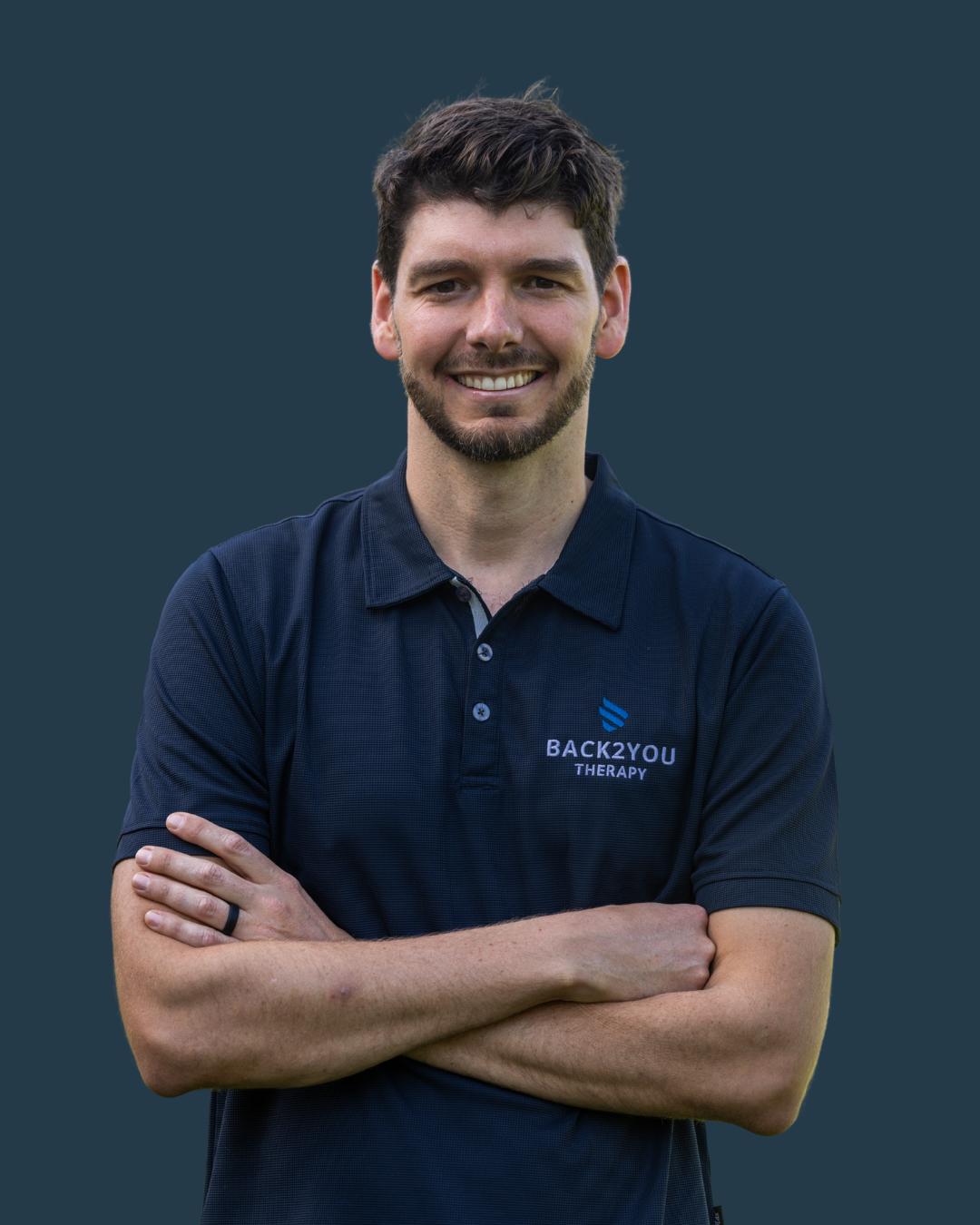
Director & Senior Physiotherapist
Julian’s experience includes neurological and disability physiotherapy, exercise-based rehabilitation and aquatic physiotherapy. He has a clinical interest in working with people with neurological conditions.
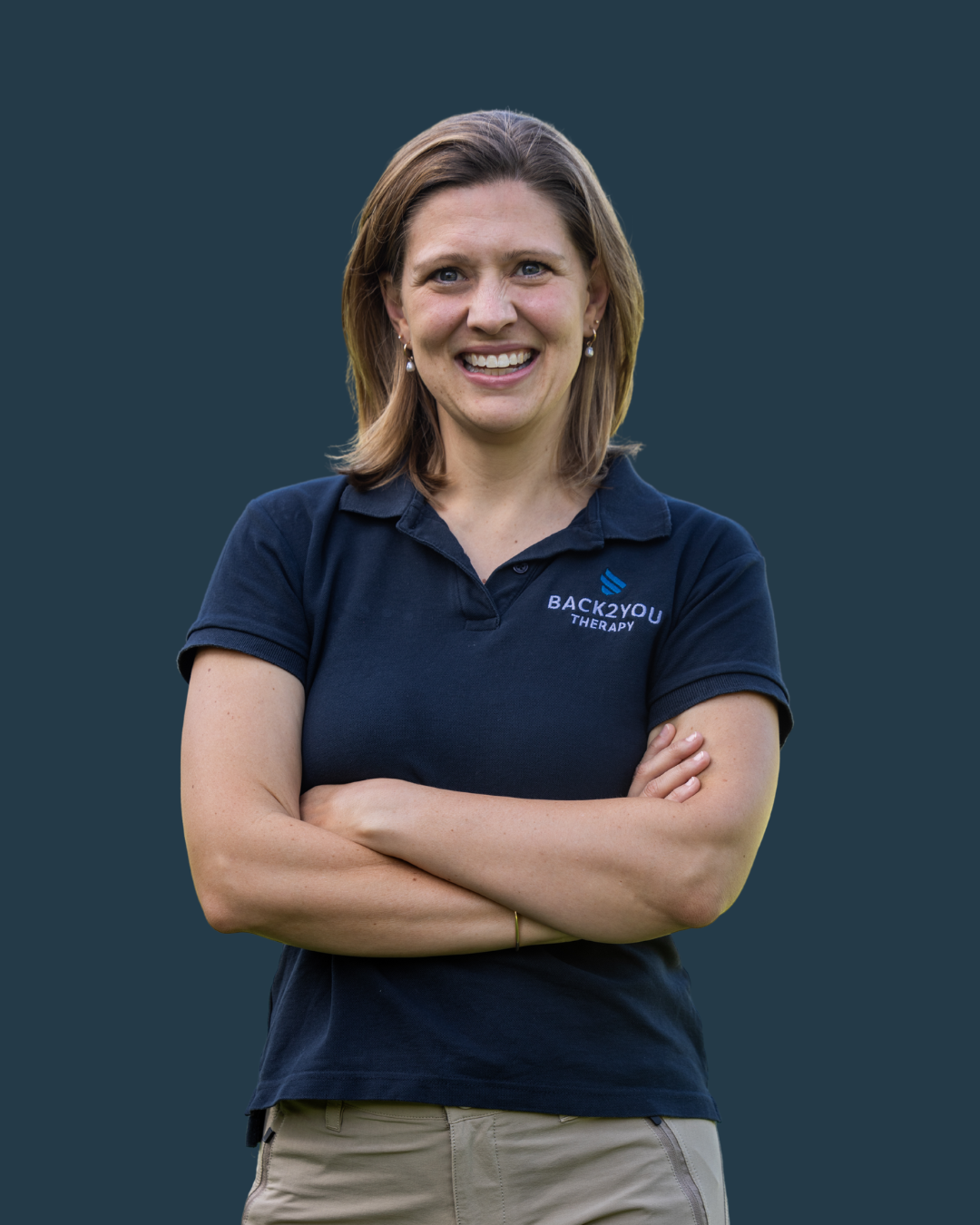
Senior Occupational Therapist
Emily’s experience includes home and community care, inpatient rehabilitation, neuromuscular rehabilitation, assistive technology, adaptive techniques, home modification recommendations and comprehensive assessment and reporting.
Other Services That May Be Relevant
In-home rehabilitation for mobility, balance, transfers and physical function.
Daily living, cognition, equipment and home access.
Comprehensive assessment of disability-related everyday function.
Physiotherapy-led aquatic rehabilitation where clinically appropriate.
Physiotherapy and OT for other forms of acquired brain injury.
Broader Back2You physiotherapy and OT services across the region.
Frequently Asked Questions
What does stroke rehabilitation involve?
Stroke rehabilitation may involve several health disciplines depending on the person’s needs. Physiotherapy commonly addresses movement, walking, balance and transfers, while occupational therapy may address arm use, cognition, personal care, equipment and the home environment.
What can physiotherapy help with after stroke?
Physiotherapy may address walking, standing, balance, strength, transfers, bed mobility, endurance and other physical movements affected by stroke.
What can occupational therapy help with after stroke?
OT may address personal care, upper-limb use, cognition, fatigue, household activities, equipment, home safety and returning to everyday routines.
Can rehabilitation continue after leaving hospital?
Yes. Many people continue rehabilitation through community, outpatient or home-based services after discharge.
Can you provide stroke rehabilitation at home on the Gold Coast?
Yes. Back2You provides in-home physiotherapy and occupational therapy across the Gold Coast.
Can physiotherapy help with walking after stroke?
A physiotherapist can assess the specific factors limiting walking and develop rehabilitation around gait, balance, strength, coordination and endurance.
Can you help with balance and falls?
Yes. Physiotherapy can assess the factors contributing to balance problems or falls and develop treatment based on the findings.
Can you help with transfers?
Yes. Physiotherapy may address bed mobility, sit-to-stand and transfers between beds, chairs, wheelchairs, toilets and other surfaces.
Can therapy help an affected arm or hand?
Yes. Upper-limb rehabilitation may involve physiotherapy and/or occupational therapy depending on the person’s presentation and goals.
Can OT help with memory or planning after stroke?
Yes. Where cognitive changes affect everyday activities, OT may assess memory, attention, planning and sequencing and develop practical strategies.
Can therapy help with post-stroke fatigue?
Fatigue should be discussed with the person’s medical and rehabilitation team. OT can address pacing, routines and activity demands, while physiotherapy can take fatigue into account when progressing physical rehabilitation. Stroke Foundation notes fatigue is a common issue after stroke. Stroke Foundation – Australia
Is it too late for stroke rehabilitation months or years later?
Not necessarily. Ongoing therapy may still be appropriate when there are specific functional problems or rehabilitation goals to address. Suitability depends on the individual rather than an arbitrary time since stroke.
Can physiotherapy and OT work together?
Yes. Many post-stroke activities involve both physical movement and functional/environmental factors, so coordinated Physio and OT can be appropriate.
Do you provide NDIS stroke rehabilitation?
Back2You can support eligible NDIS participants where physiotherapy or OT relates to permanent disability and the participant’s funded needs.
Can older adults access stroke rehabilitation through Support at Home?
Eligible older adults may be able to access appropriate allied health services through Support at Home.
Which Gold Coast areas do you service?
Back2You provides in-home services across the northern, central and southern Gold Coast, subject to clinician availability.
How do I make a referral?
Submit the online referral form with information about the stroke, current functional difficulties, previous rehabilitation and funding.
Need Ongoing Rehabilitation After Stroke?
Tell us which activities are difficult now — whether that is walking, transfers, arm use, personal care, fatigue or managing safely at home.
Our team can review the referral and determine whether physiotherapy, occupational therapy or coordinated input from both disciplines is appropriate.
Prefer to talk? 1300 858 555