Occupational Therapy for Cerebral Palsy
Back2You Therapy provides in-home occupational therapy for children, teenagers and adults living with cerebral palsy across Brisbane, the Gold Coast, Logan, Ipswich and Redlands.
Our occupational therapists support daily activities, hand function, equipment, seating, positioning, personal care, home access and NDIS-related functional needs.
What Do You Need Help With?
Assessment and recommendations for equipment that supports everyday function.
Review of seating, posture and positioning where they affect function or participation.
Understanding how cerebral palsy affects daily activities and support needs.
Occupational Therapy Focused on Everyday Life
Cerebral palsy can affect movement, posture, coordination and muscle control in different ways.
For some people, the biggest difficulty may be using their hands for dressing or eating. For others, it may be transfers, wheelchair positioning, bathroom access, fatigue or completing everyday routines without unnecessary assistance.
Occupational therapy looks at the activities the person needs or wants to complete and identifies what is making those activities difficult.
That may involve the person’s physical abilities, equipment, environment, routine or the amount of assistance currently required.
Support Based on the Activities That Matter
Dressing & Personal Care
Support with dressing, showering, grooming, toileting and other self-care tasks.
Eating & Meal Activities
Assessment of seating, hand use, utensils and the physical demands involved in eating or preparing food.
Hand & Upper-Limb Function
Therapy for reaching, grasping, releasing, bilateral hand use, fine motor tasks and using the hands during everyday activities.
Transfers
Assessment of how the person moves between beds, chairs, wheelchairs, toilets and other surfaces.
Equipment
Assessment and recommendations for appropriate assistive technology and daily living equipment.
Seating & Positioning
Review of seating, posture and positioning where these affect comfort, function or participation.
Home Access
Assessment of environmental barriers affecting bathrooms, bedrooms, entrances and movement through the home.
School, Work & Community Participation
Strategies and equipment to support participation in the environments the person uses regularly.
See the Task, Equipment and Environment Together
In-home occupational therapy allows the clinician to see the exact environment where a difficulty occurs.
For example, an OT can assess:
- the bathroom where assistance is required
- the bed or chair used for transfers
- how a wheelchair moves through the home
- the existing shower or toileting equipment
- the desk or seating used for daily activities
- whether entrances or internal spaces restrict access
- how family members or support workers currently assist
This gives the therapist information that may not be visible during a clinic appointment.
Making Daily Tasks Safer and More Manageable
Occupational therapy may focus on specific tasks such as:
- dressing
- showering
- toileting
- brushing teeth
- eating
- preparing food
- household activities
- getting ready for school or work
- organising daily routines
- accessing the community
The goal is not simply to practise the task repeatedly.
The OT considers why the activity is difficult and whether therapy, equipment, environmental changes or a different way of completing the task may help.
Using the Hands During Everyday Activities
Cerebral palsy can affect one or both upper limbs differently.
Occupational therapy may address activities requiring:
- reaching
- grasping and releasing
- two-handed use
- fine motor control
- dressing fasteners
- using cutlery
- writing or drawing
- operating devices
- carrying and manipulating objects
Rather than working on hand movement in isolation, therapy can connect these skills to the activities the person wants to complete.
Equipment That Supports Everyday Function
Depending on the person’s needs and the clinician’s scope, occupational therapy may include assessment and recommendations for:
- bathroom equipment
- shower chairs and commodes
- transfer equipment
- daily living aids
- mobility-related equipment
- positioning equipment
- seating
- adjustable beds
- other assistive technology
Recommendations consider the person’s abilities, environment, support network and how the equipment will actually be used.
Supporting Comfort, Posture and Function
Some people living with cerebral palsy require more detailed consideration of seating and positioning.
Where appropriate, our occupational therapists may assess:
- sitting posture
- functional positioning
- wheelchair setup
- cushions and supports
- transfers in and out of seating
- positioning during daily activities
- pressure-management needs
- changes in equipment as the person grows or their function changes
This is particularly important when seating affects hand use, transfers, personal care or participation in everyday activities.
When the Home Environment Creates a Barrier
An occupational therapist can assess whether the home itself is making everyday activities unnecessarily difficult.
This may include reviewing:
- entrances
- steps
- ramps
- doorways
- hallways
- bathrooms
- toilets
- bedrooms
- transfer spaces
- wheelchair circulation
Recommendations depend on the person’s functional needs and may range from smaller changes to more involved home modifications.
Building Skills for Home, School and Play
For children, occupational therapy may focus on everyday skills that develop as they grow.
This can include:
- dressing
- eating
- toileting
- fine motor skills
- hand use
- play
- classroom tasks
- handwriting or access to technology
- seating
- equipment
- school participation
- increasing independence with routines
Therapy should be connected to activities that are meaningful to the child and their family rather than isolated exercises.
OT as Routines and Responsibilities Change
As teenagers become more independent, their priorities often change.
Occupational therapy may begin to focus more on:
- managing personal care independently
- community access
- technology
- study
- work
- meal preparation
- equipment
- transport routines
- fatigue
- managing support from other people
Equipment and home setups may also require review as the person grows.
Supporting Changing Needs Through Adulthood
Cerebral palsy does not end when someone reaches adulthood.
Physical demands, fatigue, pain, mobility and equipment requirements can change over time.
Occupational therapy may assist adults with:
- personal care
- fatigue management
- equipment review
- seating and positioning
- home modifications
- work and community participation
- maintaining routines
- reducing unnecessary physical effort
- adapting activities when function changes
Occupational Therapy for NDIS Participants
Back2You Therapy works with self-managed, plan-managed and agency-managed NDIS participants.
Depending on the referral, occupational therapy may include:
- ongoing OT
- Functional Capacity Assessments
- daily living assessment
- assistive technology
- seating and positioning
- equipment recommendations
- home modifications
- functional reporting
- progress reports
- support coordinator communication
- review of changing support needs
As children grow or an adult’s physical needs change, equipment, supports and environmental requirements may also need to be reassessed.
Understanding the Support a Person Needs Day to Day
Where appropriate, a Functional Capacity Assessment can provide a clearer picture of how cerebral palsy affects everyday activities.
The assessment may consider:
- mobility
- personal care
- domestic activities
- community participation
- communication
- self-management
- functional independence
- current equipment
- assistance from family or paid supports
The resulting report can document functional barriers and relevant recommendations.
Supporting Participation in Everyday Environments
Occupational therapy may also consider the environments outside the home.
School-Aged Children
- desk and seating setup
- handwriting or technology
- classroom access
- toileting
- managing belongings
- playground participation
- transitions during the school day
Teenagers & Adults
- study
- work
- community activities
- accessing appointments
- transport routines
- managing equipment outside the home
Where appropriate and with consent, therapists can communicate with families, schools and other support providers.
When OT and Physiotherapy Work Together
Many people living with cerebral palsy receive support from both occupational therapy and physiotherapy.
For example:
Occupational Therapy
May focus on:
- personal care
- hand function
- equipment
- seating
- home access
- daily activities
Physiotherapy
May focus on:
- walking
- balance
- strength
- transfers
- mobility
- physical conditioning
Where both disciplines are involved, clinicians can work around shared functional priorities.
Start With What Is Becoming Difficult
Discuss Current Needs
We talk about the person’s cerebral palsy, current supports, equipment and the activities that are difficult or becoming more difficult.
Observe Relevant Activities
Depending on the referral, the OT may observe personal care, hand use, transfers, seating or other everyday activities.
Assess the Environment
The therapist considers whether the home, school or other environment is contributing to the difficulty.
Review Equipment
Existing equipment can be reviewed to determine whether it still suits the person’s needs.
Agree on Priorities
The therapist discusses whether ongoing therapy, equipment, further assessment, home modifications or reporting may be appropriate.
Clear Cerebral Palsy OT Referrals
Back2You Therapy accepts referrals from participants, families, support coordinators and health professionals.
Helpful referral information includes:
- diagnosis
- participant age
- current functional difficulties
- requested assessment
- existing equipment
- NDIS funding arrangement
- current supports
- location
- any reports or recommendations already available
With participant consent, our occupational therapists can communicate with support coordinators and other professionals about assessment findings and recommendations.
Occupational Therapy Across Brisbane and the Gold Coast
Back2You Therapy provides in-home occupational therapy across South East Queensland.
Our occupational therapists visit clients across Brisbane for in-home assessments, ongoing therapy, equipment and functional support.
We provide occupational therapy across the northern, central and southern Gold Coast.
Meet the Back2You OT Team
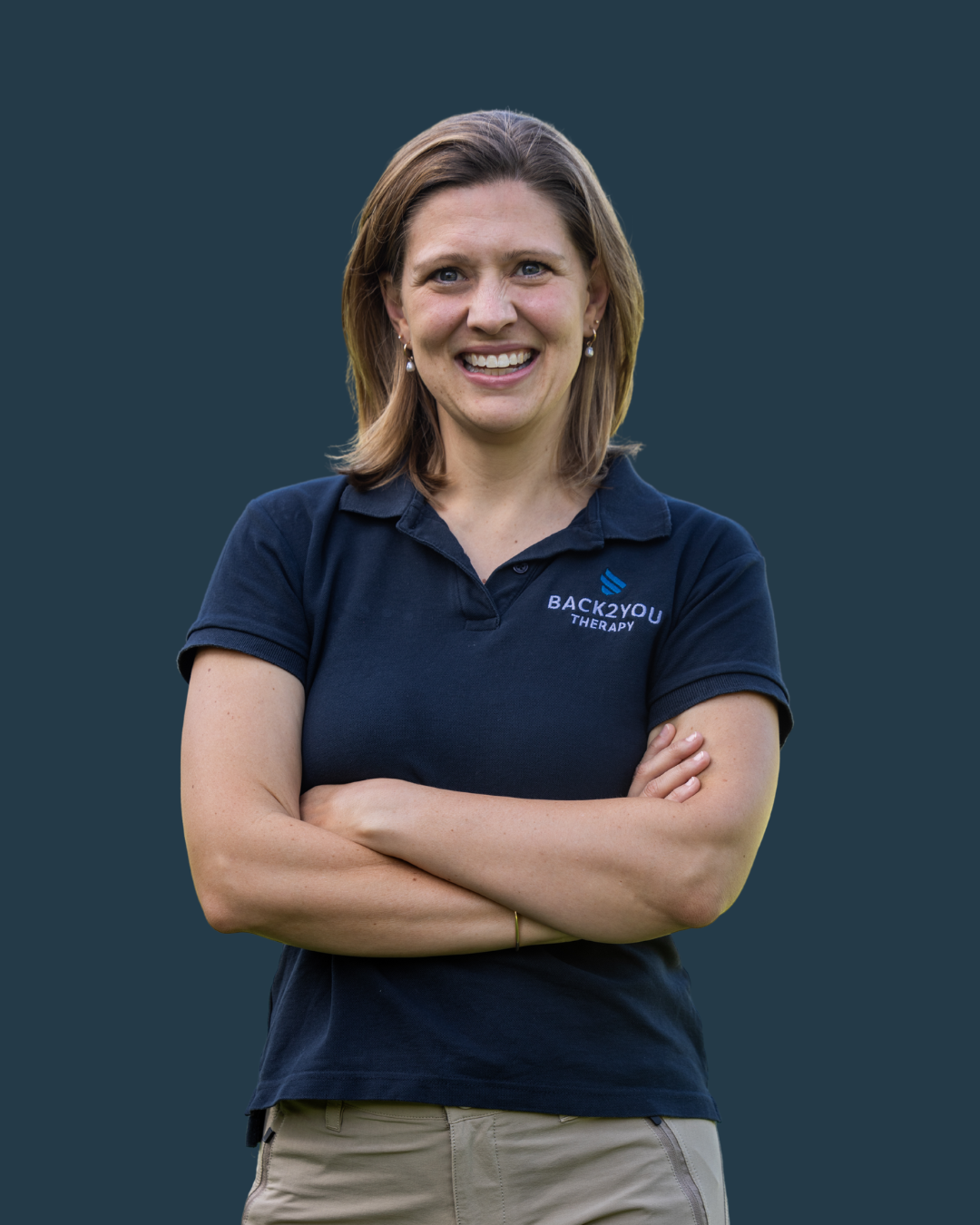
Senior Occupational Therapist
Emily’s experience includes neurological rehabilitation, assistive technology, adaptive techniques, home modification recommendations and comprehensive assessment and reporting.
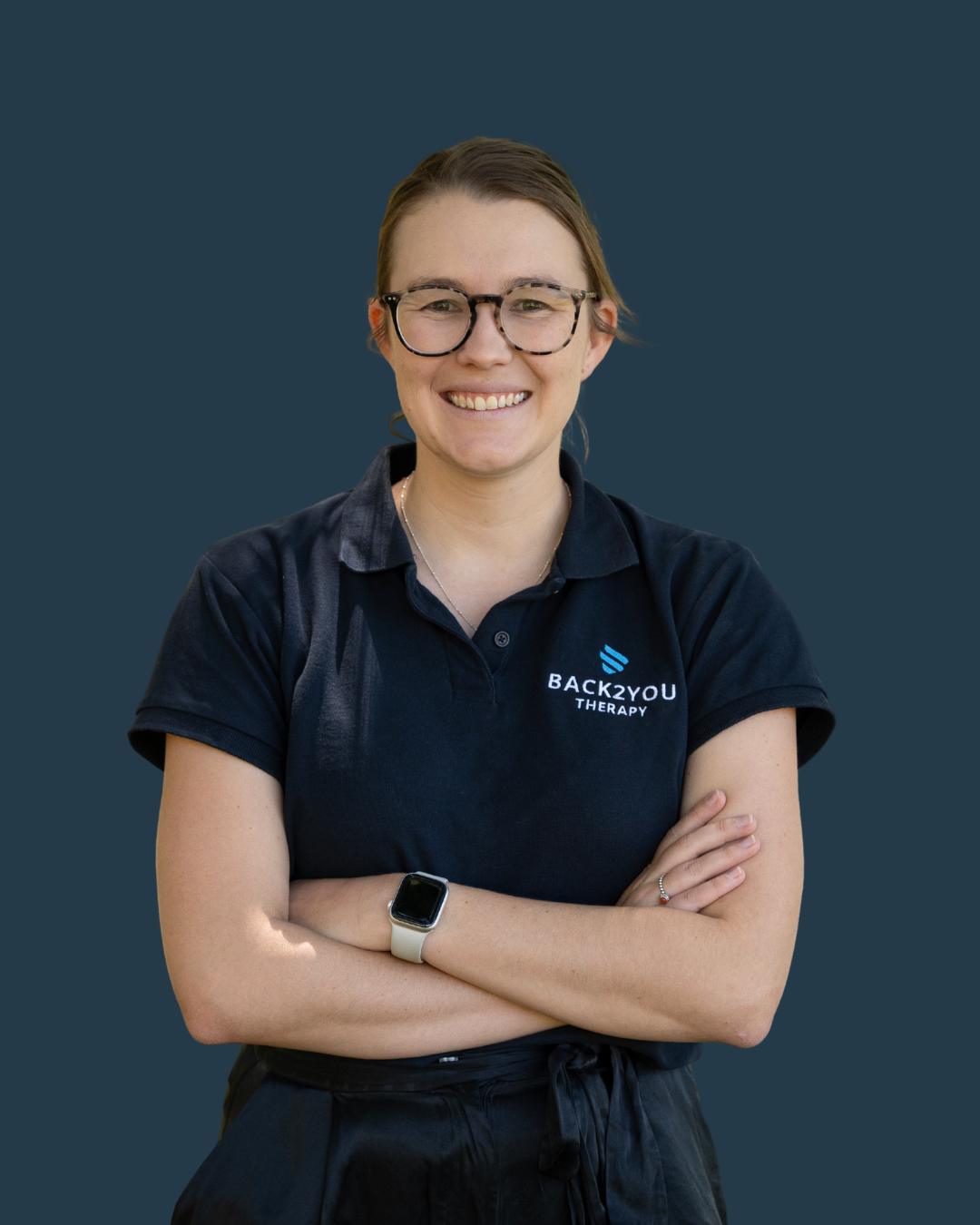
Occupational Therapist
Stephanie’s experience includes neurological and physical disability, complex equipment prescription, pressure care, postural management and home modifications.
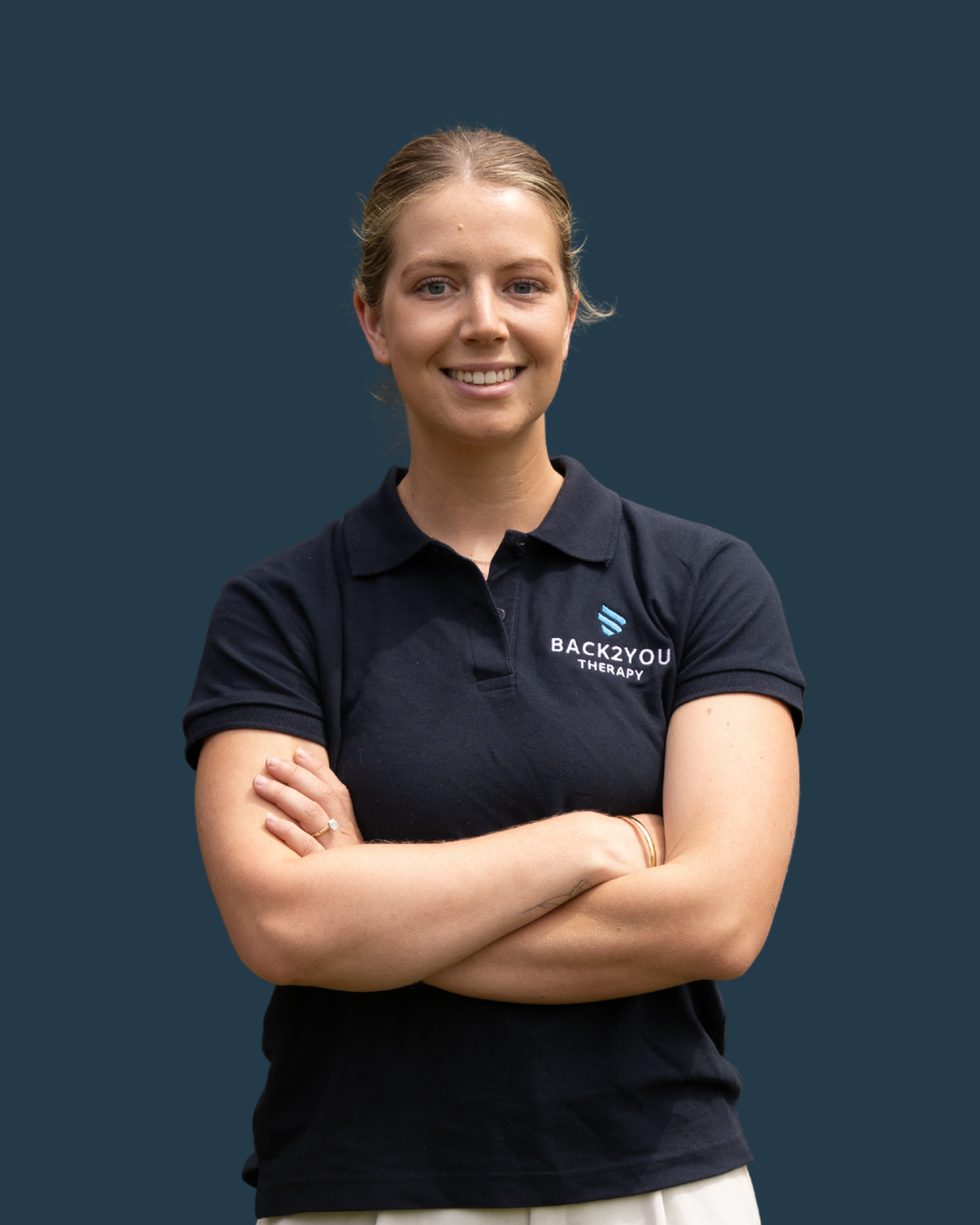
Occupational Therapist
Mia has experience with children, adolescents and adults in clinic and community settings. Her work includes sensory integration, play-based therapy and support with functional participation.
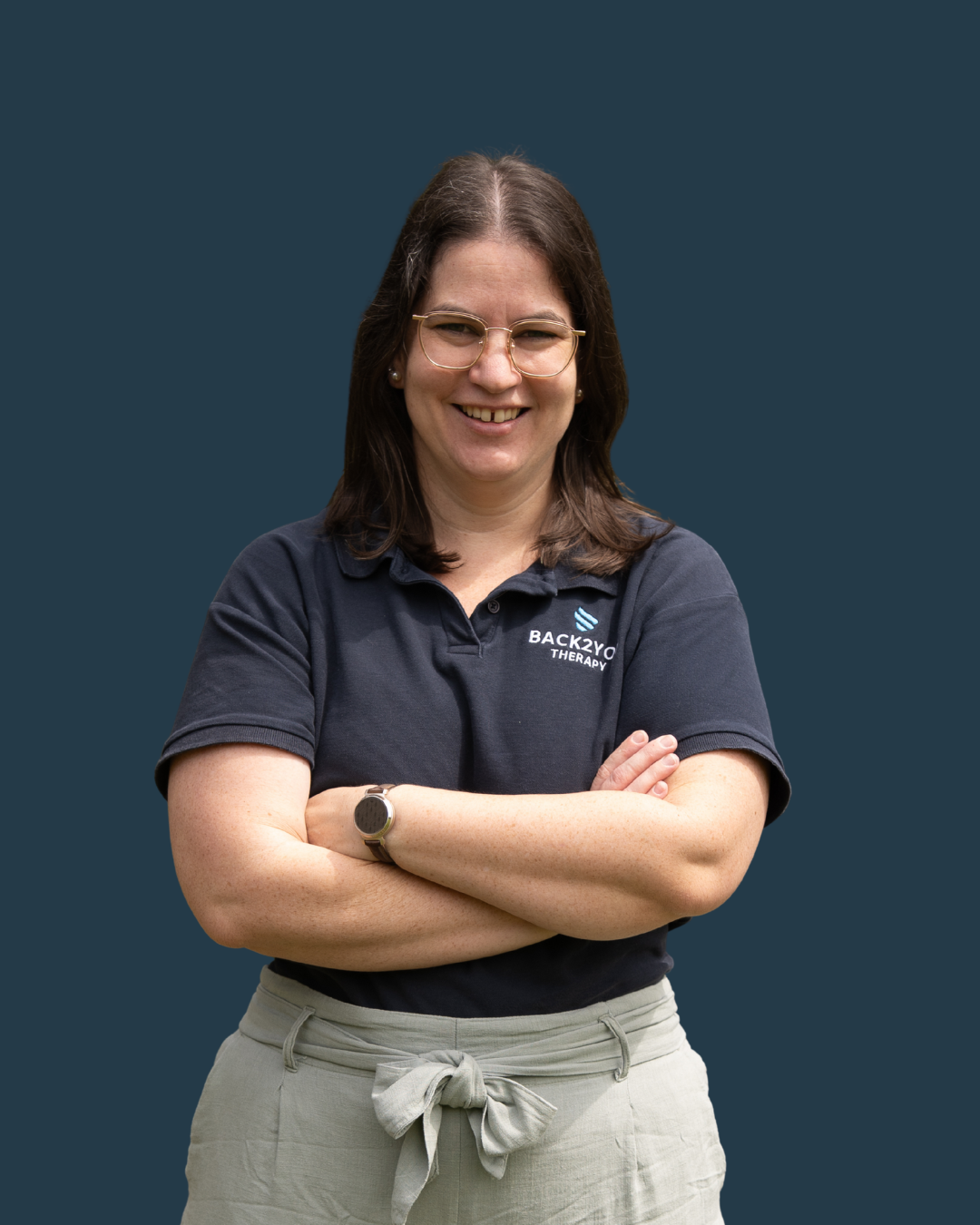
Occupational Therapist
Paula has a background in exercise and sport science and experience in disability. She has a particular interest in supporting adults living with neurological and physical disabilities.
Occupational Therapy Delivered by Registered Clinicians
Back2You Therapy’s occupational therapists are AHPRA-registered clinicians with experience across disability, neurological conditions, functional assessment, equipment and community-based therapy.
Relevant experience across the team includes:
- cerebral palsy
- neurological disability
- physical disability
- paediatric occupational therapy
- Functional Capacity Assessments
- complex equipment
- assistive technology
- seating and positioning
- pressure care
- home modifications
- community-based OT
Frequently Asked Questions
How can occupational therapy help someone with cerebral palsy?
OT can help with everyday activities affected by movement, coordination, hand function, fatigue, equipment or environmental barriers. This may include dressing, eating, personal care, school tasks, equipment and home access.
Do you provide cerebral palsy OT for children?
Yes. Back2You supports children with cerebral palsy where OT is required for daily living, hand function, equipment, school participation or other functional needs.
Do you work with adults with cerebral palsy?
Yes. Occupational therapy can continue to be useful in adulthood as physical demands, equipment requirements, fatigue and everyday responsibilities change.
Can OT help with hand function?
Yes. OT may address reaching, grasping, bilateral hand use, fine motor tasks and using the hands during everyday activities.
Can you assess equipment?
Yes, subject to the equipment required and the assigned clinician’s scope. OT may assess assistive technology relating to seating, personal care, transfers, positioning or daily activities.
Can you help with wheelchairs and seating?
Back2You has occupational therapists with experience in seating, positioning, pressure care and complex equipment. The exact assessment offered depends on the participant’s needs and clinician experience.
Do you complete home modification assessments?
Yes. Occupational therapists can assess environmental barriers and make relevant recommendations within their professional scope.
Do you provide NDIS occupational therapy?
Yes. Back2You works with self-managed, plan-managed and agency-managed NDIS participants.
Do you complete Functional Capacity Assessments?
Yes, where appropriate to the referral and available clinician.
Do you service Brisbane and the Gold Coast?
Yes. Back2You provides in-home occupational therapy across Brisbane, the Gold Coast, Logan, Ipswich and Redlands.
How do I make a referral?
Submit the online referral form or contact Back2You Therapy to discuss the support required.
Need OT Support for Cerebral Palsy?
Tell us what activities are becoming difficult, what equipment or assessment is required and how the participant’s services are funded.
Our team can review the referral and determine the appropriate next step.
Prefer to talk? 1300 858 555