Stroke Rehabilitation in Brisbane
In-Home Stroke Rehabilitation Brisbane
Continue rehabilitation at home with physiotherapy and occupational therapy focused on the activities affected by stroke.
Our clinicians support walking, balance, transfers, strength, arm and hand function, personal care, fatigue and returning to everyday routines across our Brisbane service area.
Rehabilitation Does Not Have to End at Discharge
Coming home after a stroke can expose difficulties that were not obvious in hospital.
The person now has to manage their own:
- bed
- bathroom
- stairs
- furniture
- kitchen
- entrances
- walking surfaces
- daily routine
They may also be managing weakness, balance changes, fatigue, reduced arm function or cognitive changes at the same time.
In-home rehabilitation allows physiotherapy and occupational therapy to focus on these real activities rather than recreating them in a clinic.
Stroke rehabilitation can continue after discharge through community or visiting rehabilitation, and improvement may continue for years after stroke. Stroke Foundation – Australia
Different Effects Need Different Rehabilitation
Stroke can affect physical movement and everyday function in different ways.
A person may experience changes in:
Walking & Mobility
Weakness, reduced foot clearance, slower walking, difficulty turning or needing a mobility aid.
Balance
Unsteadiness during standing, transfers or walking.
Strength
Weakness affecting the arm, leg or one side of the body.
Arm & Hand Function
Difficulty reaching, grasping, releasing or using the affected arm during daily activities.
Transfers
Difficulty getting out of bed, standing from a chair or moving between surfaces.
Sensation & Coordination
Changes in feeling, awareness or control of movement.
Cognition
Difficulty with memory, attention, planning or sequencing.
Fatigue
Physical or mental exhaustion that can significantly affect what can be completed across a normal day.
Stroke Foundation notes that stroke may affect sitting, standing, walking, balance, strength, coordination, sensation and fatigue. Stroke Foundation – Australia
Rebuilding Movement and Physical Function
Physiotherapy after stroke focuses on the physical abilities required for everyday movement.
Depending on the person’s presentation, treatment may address:
- walking
- gait
- standing
- balance
- falls risk
- transfers
- bed mobility
- lower-limb strength
- physical endurance
- coordination
- posture
- stair mobility
- community walking
Rehabilitation is based on the movements that are actually difficult for the person.
That may mean practising how to:
- roll over in bed
- stand from a chair
- transfer onto the toilet
- walk from the bedroom to the kitchen
- negotiate the front step
- walk far enough to reach the car
Stroke Foundation specifically identifies rolling in bed, sit-to-stand, transferring and walking as common areas of mobility rehabilitation after stroke. Stroke Foundation – Australia
Work on the Walking Problems That Affect Daily Life
Stroke may change the way someone places their foot, shifts weight, takes steps or maintains balance while walking.
Physiotherapy may assess:
- step length
- foot clearance
- walking speed
- weight transfer
- turning
- walking aids
- stairs
- uneven surfaces
- walking endurance
- confidence
- falls or near-falls
Treatment may combine targeted exercise with repeated practice of walking tasks.
The person can walk along a clear corridor but struggles at home
The difficulty may appear when they:
- turn around furniture
- negotiate a doorway
- move from carpet to tiles
- approach a step
- carry out several movements in sequence
An in-home physiotherapist can assess the actual environment and practise the movement required there.
This is a clinical example, not a fabricated client outcome.
Identify What Is Contributing to Falls Risk
Reduced balance after stroke can be affected by weakness, altered sensation, coordination, vision, fatigue or difficulty responding quickly when balance is lost.
Assessment may include:
- standing balance
- dynamic balance
- turning
- stepping
- lower-limb strength
- walking
- stairs
- use of mobility aids
- history of falls
- confidence following a fall
Treatment is then directed towards the factors affecting that person.
Where environmental hazards or equipment are also contributing, occupational therapy can assess the home.
Stroke Foundation specifically notes physiotherapists may assess stairs and outdoor walking, while occupational therapists may identify home hazards and recommend equipment such as rails or shower chairs. Stroke Foundation – Australia
Practise the Transfers Used at Home
After stroke, someone may be able to complete a transfer in a rehabilitation gym but struggle with the surfaces they use every day.
Physiotherapy may work on:
- rolling in bed
- moving from lying to sitting
- sit-to-stand
- bed-to-chair transfers
- wheelchair transfers
- toilet transfers
- shower transfers
- vehicle transfers where appropriate
- floor transfers where clinically appropriate
The therapist considers:
- strength
- balance
- movement control
- affected-side awareness
- fatigue
- surface height
- available support
Difficulty getting out of the person’s own bed
The issue may involve:
- bed height
- mattress softness
- affected-side weakness
- trunk movement
- foot placement
- available space
Working at home means those exact factors can be assessed rather than estimated.
Rebuilding Everyday Function
Occupational therapy looks at how stroke affects the activities a person needs and wants to complete.
This may include:
- showering
- dressing
- toileting
- preparing meals
- household tasks
- arm and hand use
- fatigue management
- cognition
- home safety
- equipment
- daily routines
- community participation
The goal is not simply to complete an OT exercise.
The therapist looks at why a real activity is difficult and whether rehabilitation, task modification, equipment or environmental changes may help.
Metro North Health describes occupational therapy services including daily-living retraining, cognitive and perceptual assessment, upper-limb retraining, home assessment and assistive-device prescription. Metro North Health
Use the Affected Arm During Meaningful Activities
Stroke may affect strength, movement, sensation and coordination in the shoulder, elbow, wrist or hand. Stroke Foundation – Australia
Rehabilitation may involve:
- reaching
- grasping
- releasing
- hand opening
- coordination
- using both hands together
- positioning
- using the arm during personal care
- using the hand during meals or household activities
The important question is not only:
“Can the arm move?”
It is:
“Can the person use that movement during everyday tasks?”
Arm movement is improving, but breakfast is still difficult
The OT may assess:
- reaching into cupboards
- holding utensils
- stabilising items
- opening containers
- sequencing the activity
- fatigue
- kitchen setup
Rehabilitation can then target the activity rather than isolated movement alone.
Turning Rehabilitation Into Daily Function
Stroke rehabilitation should connect physical and cognitive improvements to everyday life.
Occupational therapy may work on:
Personal Care
Showering, dressing, grooming and toileting.
Meals
Preparing food, eating and managing kitchen tasks.
Household Activities
Laundry, basic household tasks and routines.
Daily Organisation
Appointments, routines and completing activities in the right sequence.
Community Participation
Returning to meaningful activities outside the home.
Sometimes the solution is rehabilitation. Sometimes it is a new technique. Sometimes equipment or a change to the environment is required. The assessment determines which approach is relevant.
When Physical Recovery Is Only Part of the Problem
Changes Affecting Daily Tasks
A person may walk independently but still struggle to manage everyday activities because stroke has affected:
- attention
- memory
- planning
- sequencing
- problem solving
- initiation
- awareness
- processing information
Practical Strategies
Strategies may include:
- structured routines
- visual prompts
- reminders
- checklists
- task simplification
- environmental cues
- changing the sequence of an activity
- assistive technology where appropriate
The aim is to make strategies useful during daily life, not only during a therapy exercise.
Occupational therapy can assess how these changes affect real tasks.
Fatigue Can Affect Both Body and Brain
After stroke, everyday activities can require more physical and mental effort.
A person may manage an activity successfully but be exhausted afterwards.
Occupational therapy may help identify:
- which activities use the most energy
- when fatigue is worst
- whether routines need to change
- where rest can be planned
- whether tasks can be simplified
- whether equipment may reduce effort
- how important activities can be prioritised
Physiotherapy also considers fatigue when planning walking, strengthening and physical conditioning.
Stroke Foundation notes fatigue is common after stroke and can affect physical activity, thinking and concentration. Stroke Foundation – Australia
When the Environment Creates Another Barrier
Returning home after stroke may reveal access problems that were not apparent during hospital rehabilitation.
Home Assessment
An occupational therapist may assess:
- entrances
- steps
- bathrooms
- toilets
- bedrooms
- transfer spaces
- furniture placement
- wheelchair or walker access
- falls hazards
- existing equipment
Possible Recommendations
Recommendations may involve:
- equipment
- rails
- transfer aids
- seating
- bathroom supports
- changes to the environment
- further home-modification assessment
Equipment Should Solve a Functional Problem
Equipment may be considered when stroke has changed how a person moves or completes everyday activities.
Equipment That May Help
Depending on the person’s needs and the clinician’s scope, this may include:
- walking aids
- bathroom equipment
- shower seating
- transfer aids
- daily living equipment
- mobility equipment
- seating
- positioning supports
How Equipment Is Considered
The therapist considers:
- what task is difficult
- what ability the person currently has
- the home environment
- support available
- whether rehabilitation or equipment is the more appropriate solution
The purpose is not to prescribe equipment simply because someone has had a stroke.
Continue Rehabilitation in the Environment You Now Have to Manage
Hospital rehabilitation happens in a controlled environment.
Home does not.
Someone may return home and discover difficulty with:
- their own bed
- bathroom transfers
- front steps
- narrow spaces
- meal preparation
- fatigue across a full day
- walking outside
- new equipment
- returning to previous routines
Back2You can provide ongoing physiotherapy, occupational therapy or coordinated input from both disciplines where appropriate.
Queensland public rehabilitation services recognise that some people need community or home-based rehabilitation after hospital discharge. Metro North Health
There Is No Single Stroke Recovery Timeline
Recently Home
Priorities may include:
- safe transfers
- walking around the house
- bathroom access
- fatigue
- equipment
- establishing a daily routine
Ongoing Rehabilitation
Therapy may focus on:
- walking further
- improving balance
- arm and hand use
- physical conditioning
- more complex daily activities
- community participation
Longer-Term Goals
Someone months or years after stroke may still have specific functional goals they want to work towards.
Stroke Foundation states improvement can continue for years after stroke, although progress is often faster earlier in recovery. Stroke Foundation – Australia
The decision to continue therapy should be based on the person’s current needs, goals and capacity to benefit — not an arbitrary time since the stroke occurred.
Different Roles. Shared Functional Goals.
Stroke often affects more than one part of an activity.
Physiotherapy
May focus on:
- walking
- balance
- transfers
- strength
- endurance
- physical mobility
Occupational Therapy
May focus on:
- upper-limb use during daily tasks
- personal care
- cognition
- fatigue
- equipment
- home access
- daily routines
Example: Getting Into the Shower
Physiotherapy may address: Standing balance, transfer technique and lower-limb strength.
Occupational therapy may address: Bathroom setup, shower equipment, access and how the activity is completed.
When both disciplines are required, clinicians can work towards the same functional outcome.
Specific Problems Need Specific Therapy
These illustrative scenarios show the types of functional problems therapy may address. They are not individual client case studies or treatment outcomes.
Getting From Bed to the Bathroom
Problem: The person walks in therapy but needs significant assistance during the morning routine.
Physio focus: Bed mobility, standing, walking and transfers.
OT focus: Bathroom access, personal-care setup and equipment.
Using the Affected Arm in the Kitchen
Problem: The arm has movement, but the person cannot use it effectively while preparing meals.
OT focus: Reach, grasp, coordination, bilateral hand use, task setup and fatigue during the actual activity.
Falls When Turning at Home
Problem: Straight-line walking is reasonable, but the person loses balance when navigating furniture.
Physio focus: Turning, stepping, balance and gait within the actual home environment.
Exhaustion Halfway Through the Day
Problem: The person can complete most individual tasks but cannot sustain a normal routine.
OT focus: Activity demands, pacing, prioritisation and environmental changes.
Physio focus: Physical conditioning and appropriate activity progression.
Therapy for NDIS Participants After Stroke
Where a participant is eligible for the NDIS and requires disability-related therapy, Back2You can provide physiotherapy and occupational therapy according to the participant’s functional needs and available funding.
Support may include:
Physiotherapy
- walking
- balance
- transfers
- strength
- physical conditioning
- neurological rehabilitation
Occupational Therapy
- daily living
- arm and hand function
- cognition
- fatigue
- equipment
- home assessment
- Functional Capacity Assessments
- reports and recommendations
With consent, clinicians can communicate with support coordinators, families and other treating professionals.
Not Every Person After Stroke Uses the NDIS
Older adults may be eligible to access physiotherapy or occupational therapy through Support at Home.
Back2You also considers suitable private referrals.
Support at Home
Private / Medicare / Health Fund
Eligibility and rebates depend on individual circumstances and cover.
Include the People Helping Day to Day
Family members, carers and support workers may be involved in:
- transfers
- walking assistance
- exercise
- personal care
- equipment
- daily routines
Where appropriate and with consent, clinicians can provide guidance around agreed:
- transfer strategies
- mobility assistance
- exercise or task practice
- equipment use
- environmental setup
- fatigue strategies
Stroke Foundation recommends involving stroke survivors and their families or carers in ongoing rehabilitation decisions. Stroke Foundation – Australia
Clear Stroke Rehabilitation Referrals
Useful referral information includes:
- date and type of stroke where known
- hospital and rehabilitation history
- current mobility
- falls history
- transfer difficulties
- upper-limb concerns
- cognitive or fatigue concerns
- current equipment
- current supports
- requested discipline
- funding arrangement
- relevant discharge summaries or therapy reports
- Brisbane location
Referral Review
We review the functional concerns and requested service.
Clinician Matching
Where possible, the participant is matched with clinicians experienced in neurological rehabilitation.
Coordination
Physiotherapy and OT can coordinate where both disciplines are required.
Reporting
Where relevant, reports can document current function, progress and clinical recommendations.
Start With What Has Changed Since the Stroke
Review the Current Situation
We discuss the stroke, previous rehabilitation, current supports and the difficulties that matter most now.
Identify Functional Priorities
This may include walking, transfers, personal care, arm function, fatigue or another everyday activity.
Assess Relevant Function
Depending on the clinician, this may include:
- gait
- balance
- strength
- transfers
- arm and hand use
- personal care
- cognition during functional tasks
- fatigue
- equipment
Assess the Environment
We consider whether the home setup is contributing to the problem.
Agree on the Next Steps
This may involve ongoing therapy, task-specific rehabilitation, equipment, further assessment or reporting.
Stroke Rehabilitation Across Our Brisbane Service Area
Back2You provides in-home stroke physiotherapy and occupational therapy across Brisbane CBD and central Brisbane, the Southside, Bayside through to Wynnum, and western areas toward Ipswich.
We do not currently service North Brisbane.
Contact us with your postcode to confirm current service coverage and clinician availability.
Physiotherapists & Occupational Therapists Supporting Stroke Rehabilitation
Your referral is considered according to your rehabilitation needs, requested discipline, location and clinician availability.
Our team includes physiotherapists and occupational therapists with experience in neurological rehabilitation and home-based care.
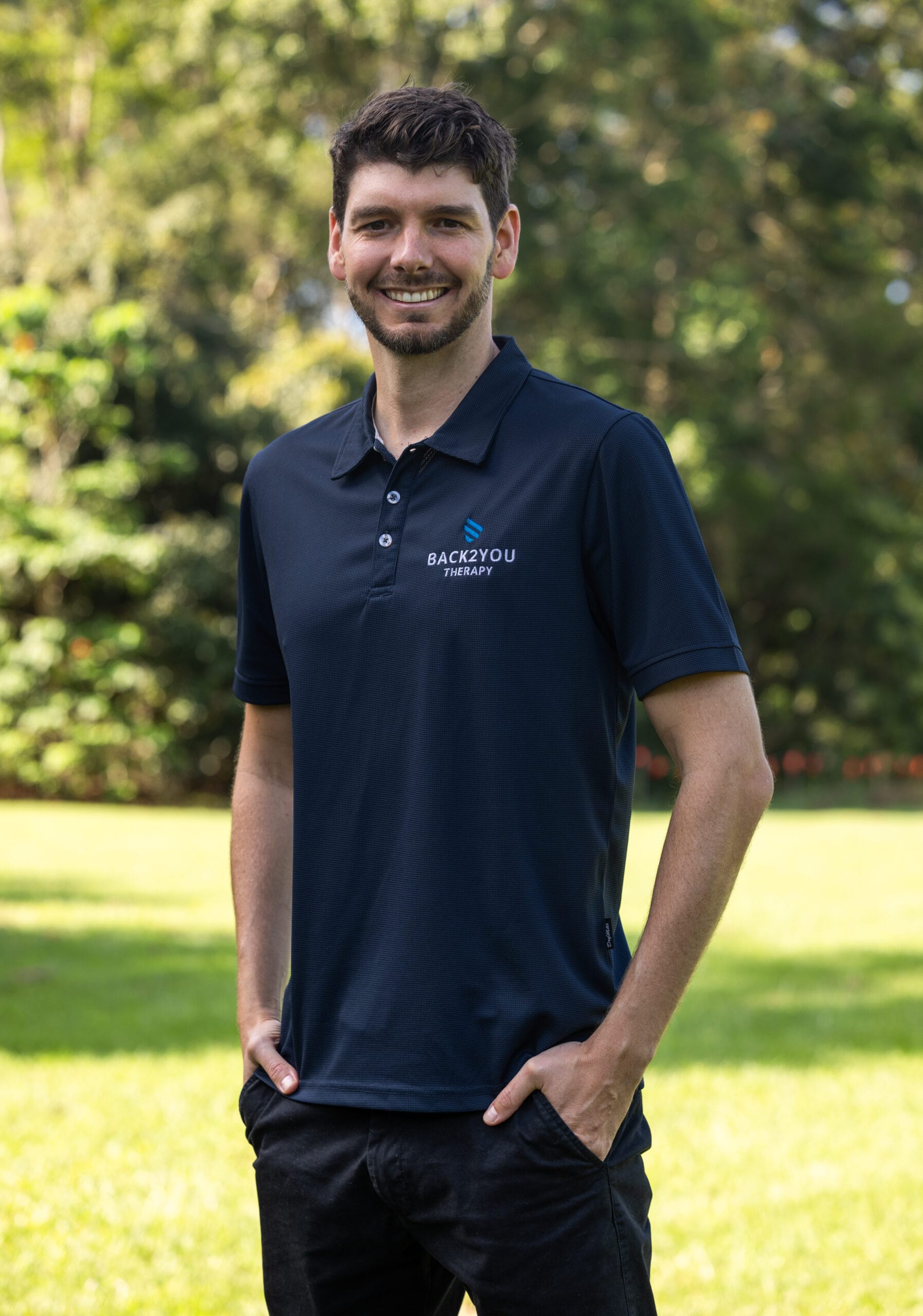
Director & Senior Physiotherapist
Julian’s experience includes neurological and disability physiotherapy, exercise-based rehabilitation and aquatic physiotherapy. He has a clinical interest in working with people with neurological conditions.
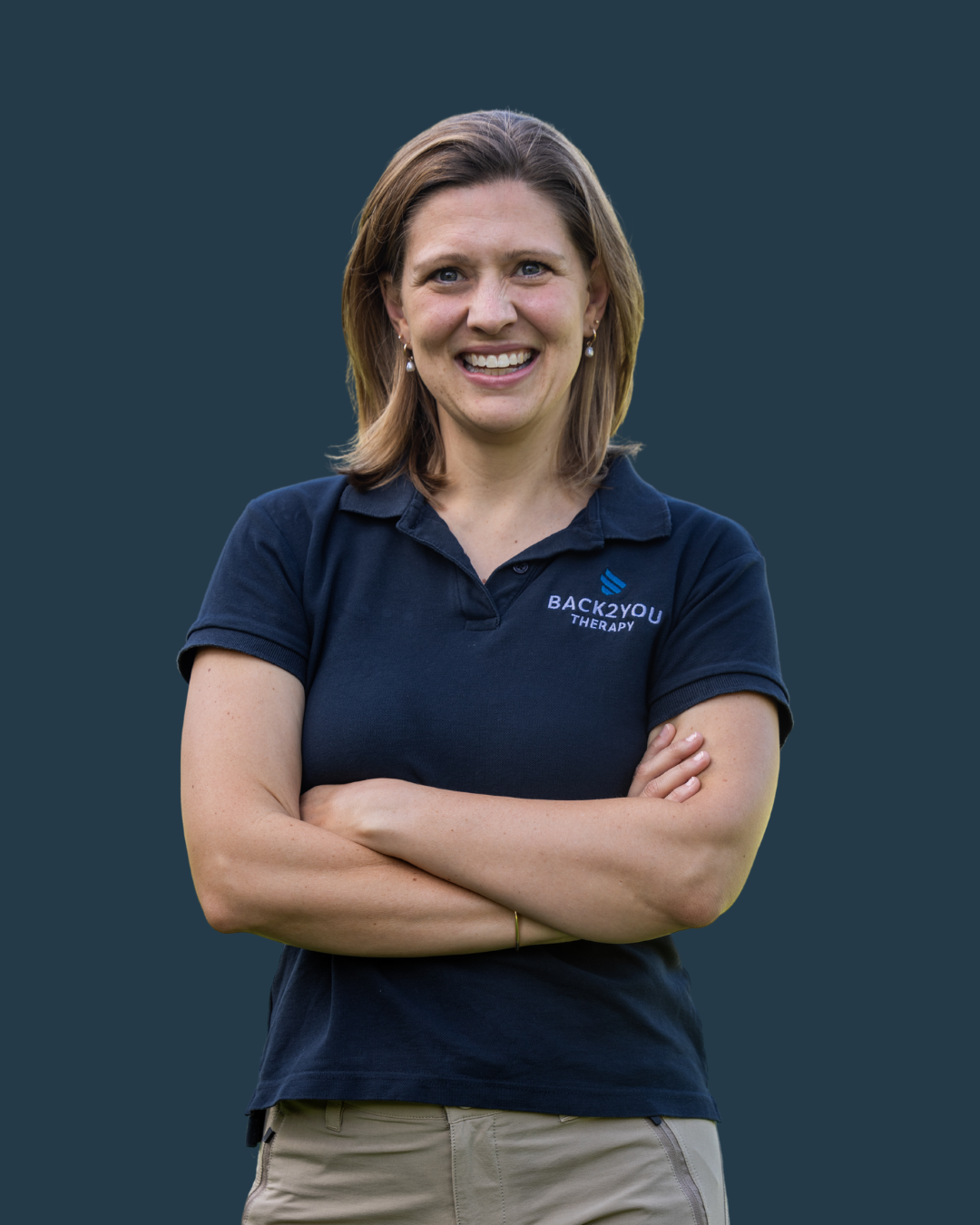
Senior Occupational Therapist
Emily’s experience includes home and community care, inpatient rehabilitation, neuromuscular rehabilitation, assistive technology, adaptive techniques, home modification recommendations and comprehensive assessment and reporting.
Other Back2You Services That May Be Relevant
Where clinically appropriate as part of a physiotherapy program.
For people living with other forms of acquired brain injury.
Frequently Asked Questions
What does stroke rehabilitation involve?
Stroke rehabilitation may involve physiotherapy, occupational therapy and other health disciplines depending on the person’s needs. Physio commonly addresses mobility, balance, transfers and physical capacity, while OT may address arm function, cognition, daily activities, equipment and home access.
What can physiotherapy help with after stroke?
Physiotherapy may work on walking, standing, balance, transfers, strength, coordination, endurance and other physical movements affected by stroke.
What can occupational therapy help with after stroke?
OT may address personal care, arm and hand function, cognition, fatigue, household activities, equipment, home access and returning to everyday routines.
Can physiotherapy help someone walk after a stroke?
Physiotherapists can assess the specific factors limiting walking and use task-specific practice, strengthening, balance rehabilitation and other appropriate treatment as part of a rehabilitation program. Recovery varies between individuals.
Can you help with transfers?
Yes. Physiotherapy may address bed mobility, sit-to-stand and transfers between beds, chairs, wheelchairs, toilets and other surfaces.
Can therapy help an affected arm or hand?
Yes. Physiotherapists and occupational therapists may both be involved in upper-limb rehabilitation depending on the person’s needs. Treatment may address strength, movement, sensation and using the arm during daily activities. Stroke Foundation – Australia
Can OT help with memory or planning difficulties?
Yes. Where cognitive changes affect daily activities, OT may assess memory, attention, planning and task sequencing and develop practical strategies for everyday routines.
Can therapy help with post-stroke fatigue?
Yes. Fatigue should be discussed with the person’s doctor and rehabilitation team. OT can help with pacing, routines and task demands, while physiotherapy can consider fatigue when planning physical activity. Stroke Foundation – Australia
Can rehabilitation continue after leaving hospital?
Yes. Stroke rehabilitation may continue through community, outpatient or visiting services after hospital discharge. Stroke Foundation – Australia
Is it too late for rehabilitation months or years after stroke?
Not necessarily. Stroke Foundation notes that improvement can continue for years after stroke. Whether ongoing therapy is appropriate depends on the individual’s current function, goals and rehabilitation needs. Stroke Foundation – Australia
Can physiotherapy and OT work together?
Yes. Many functional problems after stroke involve both physical movement and the way an activity or environment is managed.
Do you provide NDIS stroke rehabilitation?
Back2You can work with eligible NDIS participants where physiotherapy or OT relates to the participant’s disability-related functional needs and funding.
Do you provide stroke rehabilitation at home?
Yes. Back2You provides in-home physiotherapy and occupational therapy within our Brisbane service area, including Brisbane CBD and central Brisbane, the Southside, Bayside through to Wynnum, and western areas toward Ipswich.
Contact us with your postcode to confirm current coverage.
Which Brisbane areas do you service?
Our Brisbane service area currently covers Brisbane CBD and central Brisbane, the Southside, Bayside areas through to Wynnum, and western areas toward Ipswich.
We do not currently service North Brisbane.
Contact us with your postcode if you are unsure whether your address is within the current service area.
How do I make a referral?
Submit the online referral form with relevant information about the stroke, current difficulties, previous rehabilitation and funding.
Continuing Rehabilitation After Stroke?
Tell us which activities are difficult now — whether that is walking, transfers, arm use, personal care, fatigue or managing safely at home.
Our team can review the referral and determine whether physiotherapy, occupational therapy or coordinated support from both disciplines is appropriate.
Prefer to talk? 1300 858 555