
Hydrotherapy & Aquatic Physiotherapy
Back2You Therapy provides physiotherapy-led hydrotherapy for people who benefit from exercising and practising movement in a supported water environment.
Our physiotherapists use the pool for mobility, balance, strength, walking, conditioning and neurological rehabilitation when water-based therapy is appropriate for the person’s needs and goals.
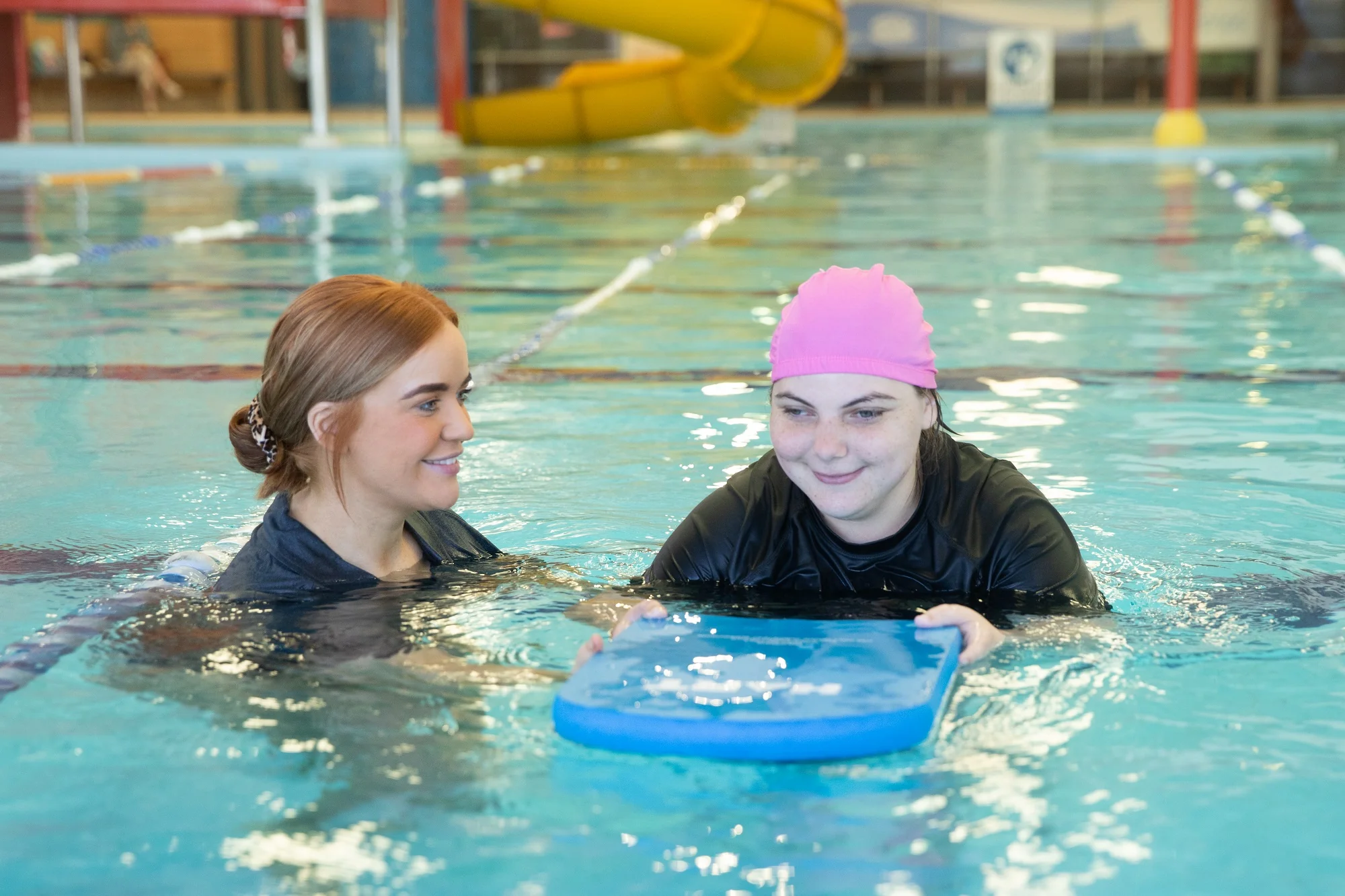
What Can Hydrotherapy Work On?
Practise stepping, walking and functional movement with support from the water.
Work on standing balance, weight shifting and controlled movement in a supported environment.
Use the resistance of water to challenge upper and lower-limb movement.
Aquatic physiotherapy for appropriate neurological and physical disabilities.
Build exercise tolerance and endurance where land-based activity may be difficult.
Use water-based therapy alongside land physiotherapy following illness, injury or hospitalisation.
Physiotherapy Delivered in Water
Hydrotherapy, also known as aquatic physiotherapy, uses the physical properties of water as part of a physiotherapy treatment program.
It is not simply swimming or aqua aerobics.
A physiotherapist assesses the person’s movement, physical capacity and rehabilitation needs before deciding whether the pool is an appropriate treatment environment.
Depending on the person, sessions may involve:
Water-based physiotherapy programs are reviewed and progressed according to the person’s response and functional goals.
The Australian Physiotherapy Association defines aquatic physiotherapy as physiotherapy carried out in water using assessment, clinical reasoning and reassessment to achieve specific therapeutic goals. Australian Physiotherapy Association
- walking
- stepping
- balance tasks
- reaching
- strengthening
- functional movement
- mobility practice
- aerobic conditioning
- controlled upper and lower-limb exercise
A Different Environment for Movement and Exercise
Water changes the physical demands placed on the body.
Buoyancy reduces weight-bearing load, while water resistance can be used to challenge movement in different directions. This can make some exercises or functional movements possible when they are difficult to practise effectively on land. Australian Physiotherapy Association
Reduced Loading
Buoyancy can reduce the load through joints and the lower limbs during movement.
Supported Balance
The water can provide a more supported environment for practising standing and balance tasks.
Resistance in Multiple Directions
Movement through water provides resistance that can be used during strengthening and conditioning.
Greater Movement Options
Some clients are able to practise movements in water that are too difficult, painful or unsafe to attempt on land.
Hydrotherapy is not automatically better than land-based physiotherapy. The physiotherapist decides which environment is most appropriate for the activity being worked on.
When Aquatic Physiotherapy May Be Appropriate
Hydrotherapy may be considered when a person’s condition makes land-based movement, exercise or rehabilitation difficult.
This may include people experiencing:
The decision to use hydrotherapy is made following physiotherapy assessment rather than diagnosis alone.
- reduced mobility
- difficulty walking
- impaired balance
- muscle weakness
- reduced physical endurance
- stiffness
- pain during weight-bearing activity
- neurological movement changes
- deconditioning after illness or hospitalisation
- difficulty completing enough exercise on land
Hydrotherapy for NDIS Participants
Back2You Therapy provides physiotherapy-led hydrotherapy for NDIS participants where aquatic therapy is clinically appropriate and relates to the participant’s disability-related functional needs.
A program may focus on:
Hydrotherapy should form part of a physiotherapy plan with identifiable therapeutic goals rather than being used as recreational swimming.
NDIS therapy supports must meet the scheme’s funding criteria and be delivered by appropriately qualified allied health professionals. Swimming-pool memberships are not funded as therapy supports. NDIS therapy support guidance
- mobility
- walking
- balance
- transfers
- strength
- physical conditioning
- neurological rehabilitation
- movement practice
- maintaining physical capacity
For Support Coordinators
With participant consent, our physiotherapists can communicate regarding the reason for hydrotherapy, functional goals, progress and recommendations for ongoing physiotherapy.
Hydrotherapy for Neurological Conditions
Water can provide a useful rehabilitation environment for people whose neurological condition affects walking, balance, strength or movement control.
Hydrotherapy may form part of physiotherapy for people living with:
Aquatic exercise may be used for mobility, balance, conditioning and controlled movement where appropriate.
Pool-based physiotherapy may include balance, movement, walking and conditioning exercises. Research reviewed by the Australian Physiotherapy Association has found aquatic physiotherapy can improve balance outcomes for some people with Parkinson’s disease. Australian Physiotherapy Association
Aquatic physiotherapy may be used to practise balance, walking, strength and physical conditioning as part of broader stroke rehabilitation. Research summarised by the APA has reported improvements in balance in stroke populations. Australian Physiotherapy Association
Where clinically appropriate, the pool may be used for supported movement, strengthening, standing, stepping or physical conditioning.
Hydrotherapy may provide another environment for practising movement, balance and strengthening as part of a broader physiotherapy program.
Acquired Brain Injury
Aquatic physiotherapy may support mobility, balance, conditioning and movement practice depending on the person’s presentation.
Practising Mobility With Support From the Water
For some clients, walking on land requires more strength, balance or confidence than they currently have.
The aquatic environment may allow the physiotherapist to work on:
- stepping
- weight shifting
- walking forwards
- walking sideways
- changing direction
- controlled lower-limb movement
- standing tolerance
- endurance
The purpose is not simply to become better at moving in the pool.
Where appropriate, aquatic exercises should support the broader mobility goals being addressed through physiotherapy.
Practise Balance in a Supported Environment
Hydrotherapy can provide another environment for challenging balance while reducing some of the consequences associated with losing balance on land.
Depending on the person’s needs, treatment may include:
- standing balance
- weight shifting
- reaching
- turning
- stepping
- changes in direction
- trunk control
- responding to movement in the water
For people with neurological conditions, this can allow physiotherapists to challenge balance in ways that may initially be difficult on land. Australian Physiotherapy Association
Use Water Resistance to Challenge Movement
Moving through water creates resistance.
The physiotherapist can adjust the exercise by changing factors such as:
- movement speed
- direction
- water depth
- body position
- range of movement
- equipment used in the pool
Programs may work on:
- lower-limb strength
- upper-limb movement
- trunk control
- endurance
- repeated functional movement
- cardiovascular conditioning
The exercise is selected according to the person’s abilities and rehabilitation goals rather than following a standard pool program.
Aquatic Physiotherapy During Rehabilitation
Following illness, surgery or a prolonged hospital stay, some people find full land-based exercise difficult because strength, mobility or endurance has reduced.
Where appropriate, hydrotherapy may form part of rehabilitation for:
- rebuilding physical capacity
- improving walking tolerance
- restoring movement
- strengthening
- improving balance
- gradually increasing exercise
- continuing rehabilitation after discharge
Hydrotherapy can be combined with land-based physiotherapy rather than replacing it.
Pool Therapy Is One Part of Rehabilitation
Back2You does not treat hydrotherapy as a completely separate form of care.
For many clients, the strongest program uses both environments.
In the Pool
A person may be able to practise:
- more repetitions
- supported walking
- balance challenges
- strengthening
- cardiovascular exercise
On Land
Physiotherapy can then work directly on:
- transfers
- stairs
- walking through the home
- wheelchair mobility
- getting out of bed
- real community environments
The physiotherapist can use both settings according to the functional goal being addressed.
- balance
- walking
- lower-limb strength
- endurance
- mobility
- controlled exercise
- confidence with movement
Aquatic Physiotherapy for Older Adults
Hydrotherapy may be appropriate for older adults who need physiotherapy for mobility, balance, weakness or reduced physical conditioning but find some forms of land-based exercise difficult.
Programs may focus on:
The physiotherapist will determine whether pool-based treatment, land-based physiotherapy or a combination is most appropriate.
Physiotherapy in the Pool for Children and Teenagers
For some children with physical or neurological conditions, the pool can provide another environment for practising movement and building physical capacity.
Depending on the child’s needs, hydrotherapy may focus on:
Hydrotherapy is delivered as physiotherapy rather than swimming instruction.
- gross motor movement
- balance
- coordination
- strength
- walking
- physical endurance
- controlled movement
- participation in exercise
First Make Sure the Pool Is the Right Environment
Hydrotherapy is not automatically appropriate for every person.
Before beginning aquatic physiotherapy, the physiotherapist considers the person’s:
The assessment determines whether hydrotherapy is suitable and what should be worked on in the water.
Aquatic physiotherapy guidelines place particular importance on individual assessment, clinical reasoning, appropriate screening and reassessment. Australian Physiotherapy Association
- diagnosis and medical history
- current mobility
- goals
- previous physiotherapy
- ability to enter and exit the pool
- level of assistance required
- water confidence
- relevant health and safety considerations
- pool accessibility requirements
A Physiotherapy Session With Clear Goals
Review How You Are Going
The physiotherapist checks for relevant changes since the previous session.
Enter the Pool Safely
The therapist works with the available pool access and the assistance required by the client.
Complete the Planned Exercises
This may involve walking, balance, strengthening, mobility or conditioning exercises.
Progress the Activity
Exercises are adjusted according to the person’s ability and response.
Review the Program
The physiotherapist considers whether the aquatic program needs to progress, continue or be combined with more land-based rehabilitation.
What Makes Hydrotherapy Different?
There are many activities that happen in a swimming pool, but they are not all hydrotherapy.
Hydrotherapy / Aquatic Physiotherapy
Delivered by a physiotherapist following assessment and based on specific rehabilitation or functional goals.
Aqua Aerobics
A general group fitness activity.
Swimming Lessons
Designed to teach swimming skills and water safety.
Recreational Swimming
Physical or recreational activity undertaken independently.
Back2You provides physiotherapy-led hydrotherapy, not learn-to-swim instruction. This distinction aligns with the Australian Physiotherapy Association’s aquatic physiotherapy guidelines. Australian Physiotherapy Association
Clear Hydrotherapy Referrals
Back2You Therapy accepts referrals from NDIS participants, support coordinators, families, care managers and health professionals.
Useful referral information includes:
- diagnosis
- current mobility
- functional goals
- previous physiotherapy
- reason hydrotherapy is being considered
- current assistance requirements
- relevant medical information
- funding arrangement
- location
Assessment First
The physiotherapist determines whether aquatic therapy is clinically appropriate.
Clear Goals
Hydrotherapy should address specific physiotherapy goals rather than simply provide pool-based activity.
Review
Progress and the ongoing role of hydrotherapy can be reviewed as part of the broader physiotherapy program.
Hydrotherapy Delivered by Physiotherapists

Director & Senior Physiotherapist
Relevant experience includes neurological, disability and aquatic physiotherapy.

Physiotherapist
Relevant experience includes neurological rehabilitation and hydrotherapy.
How Can Hydrotherapy Be Funded?
NDIS
Hydrotherapy may be delivered as a physiotherapy support for eligible NDIS participants where it meets the NDIS funding criteria and relates to the participant’s disability needs and funded therapy supports.
Support at Home
Eligible older clients may access physiotherapy through Support at Home, subject to their individual care plan and provider arrangements.
Private / Medicare / Health Fund
Private clients may also access physiotherapy-led hydrotherapy. Eligibility for Medicare or private health rebates depends on the person’s circumstances and cover.
Hydrotherapy Close to You
Back2You Therapy provides hydrotherapy using suitable pool facilities across its South East Queensland service area.
Pool availability, accessibility and therapist availability vary by location.
Frequently Asked Questions
What is hydrotherapy?
Hydrotherapy is physiotherapy delivered in water. A physiotherapist assesses the person and develops a water-based program designed around specific rehabilitation or functional goals.
Is hydrotherapy the same as swimming?
No. Hydrotherapy is a clinical physiotherapy service. Swimming lessons and recreational swimming have different purposes.
Do I need to be able to swim?
Hydrotherapy does not necessarily involve swimming. Suitability depends on the person’s needs, water confidence, pool access and the physiotherapist’s assessment.
What can you work on during hydrotherapy?
Sessions may address walking, mobility, balance, strength, endurance, functional movement and physical conditioning.
Can hydrotherapy help neurological conditions?
Aquatic physiotherapy can be used as part of rehabilitation for some neurological conditions where the physiotherapist determines that the pool is an appropriate treatment environment. Australian Physiotherapy Association
Do you provide NDIS hydrotherapy?
Yes. Back2You can provide physiotherapy-led hydrotherapy for NDIS participants where it is an appropriate therapy support and aligns with their disability-related needs and funding.
Can hydrotherapy be combined with normal physiotherapy?
Yes. For many clients, aquatic and land-based physiotherapy can be used together, with each environment addressing different parts of the rehabilitation program.
Is hydrotherapy suitable after hospitalisation?
It may be appropriate for some clients who require rehabilitation after illness, surgery or hospitalisation. A physiotherapy assessment is required first.
Do you provide hydrotherapy for children?
Yes, where aquatic physiotherapy is clinically appropriate for the child’s physical or neurological needs.
Do you provide hydrotherapy for older adults?
Yes. Hydrotherapy may be considered for older adults requiring physiotherapy for mobility, balance, strength or physical conditioning.
Where are sessions held?
Sessions take place at suitable pool facilities within Back2You’s service area. Contact the team to confirm the options available for your location.
How do I make a referral?
Submit the online referral form or contact Back2You Therapy with details of the support required.
Could Hydrotherapy Be Part of Your Physiotherapy Program?
Tell us about the condition, current mobility, physiotherapy goals and funding arrangement.
A physiotherapist can review the referral and determine whether aquatic therapy is an appropriate next step.
Prefer to talk? 1300 858 555